
CJC-1295 and Ipamorelin: Benefits, Fat Loss, Recovery, and What to Expect 🪴
Peptides are becoming one of the most talked-about tools in performance and longevity medicine.
Many people are searching for ways to improve body composition, reduce stubborn body fat, support recovery, and maintain energy as they age. One of the most commonly recommended peptide combinations for these goals is CJC-1295 paired with Ipamorelin.
This combination is widely used in functional and performance medicine because it works with the body’s natural hormone signaling rather than replacing hormones directly.
For individuals looking to improve metabolism, recovery, and overall vitality, this peptide pairing can be a powerful starting point.
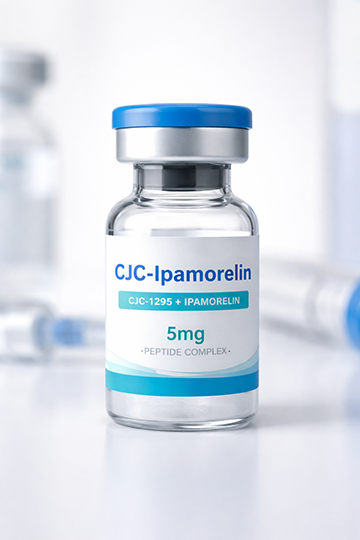
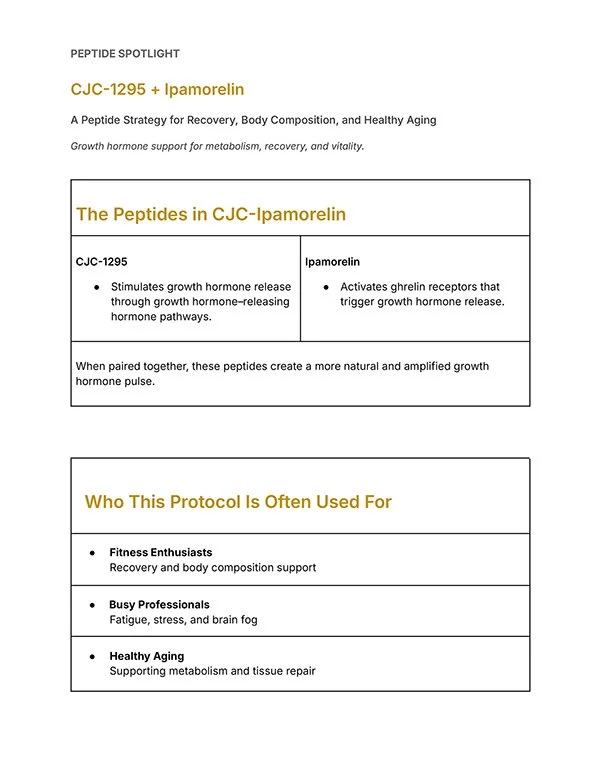
CJC-Ipamorelin Peptide Stack
What Is CJC-1295?
CJC-1295 is a growth hormone–releasing hormone (GHRH) analog.
In simple terms, it sends a signal to the pituitary gland telling the body to release more natural growth hormone.
Growth hormone plays an important role in many systems of the body, including:
metabolism
muscle repair and recovery
fat metabolism
sleep quality
cellular repair
cognitive clarity
As we age, natural growth hormone production gradually declines. This decline can contribute to symptoms such as:
increased body fat
reduced muscle mass
slower recovery
fatigue
brain fog
reduced sleep quality
CJC-1295 helps stimulate the body’s own production of growth hormone to support these processes.
What Is Ipamorelin?
Ipamorelin is a growth hormone secretagogue. It works by stimulating ghrelin receptors that signal the pituitary gland to release growth hormone.
Growth hormone secretagogues stimulate the body's natural GH release through specific receptor pathways, particularly those involving ghrelin signaling (Smith et al., 2005).
Smith, R. G., et al. (2005). Growth hormone secretagogues and the ghrelin receptor. Endocrine Reviews.
https://academic.oup.com/edrv/article/26/5/674/2355164
What this research supports
This paper explains how growth hormone secretagogues work by stimulating GH release through the ghrelin receptor pathway.
That is exactly the pathway Ipamorelin targets.
Unlike older growth hormone peptides, Ipamorelin is known for being very selective and well tolerated, meaning it stimulates growth hormone without significantly raising other hormones like cortisol or prolactin.
Benefits commonly associated with Ipamorelin include:
improved recovery from exercise
increased lean muscle support
improved sleep quality
fat metabolism support
better tissue repair
Why These Two Peptides Are Paired Together
CJC-1295 and Ipamorelin work through two complementary pathways that both lead to growth hormone release.
When combined, they can create a more natural and amplified pulse of growth hormone, similar to what the body produced in younger years.
Think of it like this:
CJC-1295 = tells the body to prepare for growth hormone release
Ipamorelin = triggers the release signal
Together they create a synergistic effect, which is why they are often used as a stack.
Who Is This Peptide Combination Ideal For?
This peptide pairing is commonly used by people who want to improve metabolic health, recovery, and body composition.
Common clients who benefit include:
Fitness enthusiasts and athletes
Looking to support recovery, maintain lean muscle, and reduce body fat.
Busy professionals
Experiencing fatigue, brain fog, and slower recovery as stress and aging affect hormone balance.
Individuals with stubborn visceral fat
Growth hormone signaling plays an important role in fat metabolism.
People experiencing joint discomfort or slower healing
Growth hormone helps support tissue repair and regeneration.
Many of the people I work with are referred by gym owners, trainers, and fitness professionals who see clients struggling with recovery, body composition, and energy.
Common Health Goals Clients Are Addressing
Many clients exploring CJC-1295 and Ipamorelin are dealing with challenges such as:
stubborn body fat
visceral fat accumulation
joint pain or connective tissue stress
brain fatigue or brain fog
low energy
slower recovery after workouts
Supporting growth hormone signaling can help improve the body’s ability to repair tissue, regulate metabolism, and maintain lean body composition.
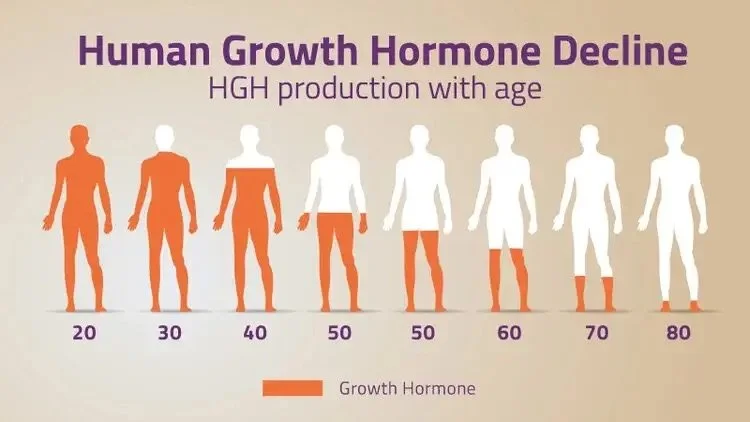
Human Growth Hormone Declines as we Age
Human Growth Hormone Production
HGH peaks during adolescence and early adulthood. Beginning in the late 20s to early 30s, natural growth hormone secretion gradually declines — a process often referred to as somatopause.
This gradual decline in growth hormone signaling is associated with changes such as:
increased body fat
reduced muscle mass
slower recovery from exercise
changes in sleep quality
decreased tissue repair
Peptides such as CJC-1295 and Ipamorelin are designed to stimulate the body's natural growth hormone release, rather than replacing the hormone directly.
Growth hormone secretion naturally declines with age, a process often referred to as somatopause (Veldhuis et al., 2005).
Veldhuis, J. D., et al. (2005). Neuroendocrine regulation and age-related changes in growth hormone secretion. Endocrine Reviews.
https://academic.oup.com/edrv/article/26/6/709/2355173
What this research supports
This article discusses:
natural decline in GH with age
metabolic changes
recovery and body composition effects
This concept is known as somatopause.
Typical Dosing Approaches
Peptides are most commonly administered through subcutaneous injection, although dosing protocols vary depending on individual goals.
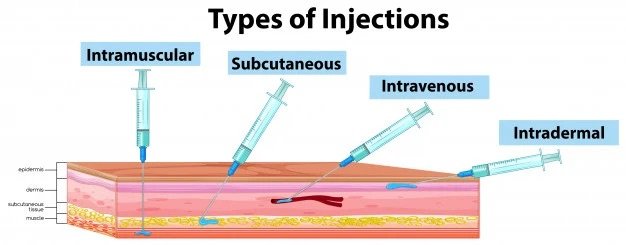
Types of Injections
A common starting approach may include:
once daily dosing before bedtime
sometimes split dosing morning and evening
Typical Dosing for CJC-1295 + Ipamorelin
Most clinics use a combined peptide blend that contains both CJC-1295 and Ipamorelin in the same vial. These peptides are usually administered as a subcutaneous injection using an insulin syringe.
Common Clinical Dosing Range
A very common starting protocol is:
CJC-1295: 100–300 mcg per dose
Ipamorelin: 100–300 mcg per dose
Many clinics combine them at equal doses.
Typical example protocol:
100 mcg CJC-1295 + 100 mcg Ipamorelin once daily
or
200 mcg CJC-1295 + 200 mcg Ipamorelin once daily
Some individuals may use twice-daily dosing, especially if the goal is body composition or recovery.
Example:
200 mcg CJC + 200 mcg Ipamorelin in the morning
200 mcg CJC + 200 mcg Ipamorelin before bed
When It Is Usually Taken
Most practitioners recommend taking it before bedtime.
Growth hormone is naturally released during deep sleep, so evening dosing can support this natural rhythm.
Some athletes or body composition clients add a morning dose while fasted.
Typical Cycle Length
Most programs run for:
8–12 weeks
After that, practitioners may:
reassess labs
evaluate body composition changes
continue the protocol
reduce dosing
or transition to another peptide
Some individuals stay on longer under medical supervision because these peptides stimulate natural GH release rather than replacing it.
What Vial Strengths Are Common
Many compounding pharmacies prepare vials such as:
5 mg / 5 mg CJC-1295 + Ipamorelin blend
10 mg / 10 mg blend
Depending on dosing, a vial may last 4–8 weeks.
For example:
If someone uses 200 mcg daily of each peptide, a 10 mg vial could last roughly 6–8 weeks.
Microdosing or Lower Maintenance Dosing
Some people start with a higher therapeutic protocol and later transition to a lower maintenance dose.
Example:
Initial phase
• 200–300 mcg daily
Maintenance phase
• 100–150 mcg daily
Others rotate to different peptides depending on their goals.
Expected Results Timeline: What Most People Notice
Peptides like CJC-1295 and Ipamorelin work by stimulating the body’s natural growth hormone release, so the results tend to develop gradually as the body begins improving repair, recovery, and metabolic signaling.
Everyone responds differently, but many individuals notice changes along the following timeline.
Weeks 1–2: Improved Sleep and Recovery
One of the first changes many people notice is better sleep quality.
Growth hormone is closely tied to deep sleep cycles, so when signaling improves, people often report:
deeper sleep
waking up feeling more rested
improved recovery from workouts
slightly improved energy during the day
Some clients also notice reduced soreness after training during this early phase.
Weeks 3–6: Energy and Body Composition Changes
As growth hormone signaling improves, the body begins shifting metabolism toward better fat utilization and recovery.
During this stage, people often report:
gradual reduction in body fat
improved workout recovery
improved mental clarity
reduced brain fog
improved resilience to stress
Some individuals begin noticing visceral fat reduction around the midsection, which is one reason trainers often recommend this peptide pairing.
Weeks 6–12: Body Composition and Repair Benefits
As the protocol continues, the effects tend to build.
At this stage many people notice:
improved lean muscle tone
continued fat loss
reduced joint discomfort
better connective tissue recovery
improved skin elasticity and tissue repair
Because growth hormone supports tissue repair and metabolism, improvements often occur across multiple systems in the body.
This is why the CJC-Ipamorelin combination is often used not just for physique goals, but also for overall vitality and healthy aging.
Common Mistakes People Make With Peptides
As peptides become more popular, many people start using them without understanding how to use them properly. This can lead to disappointing results.
Here are some of the most common mistakes.
1. Using Research-Grade or Unverified Peptides
One of the biggest issues in the peptide space is quality control.
Peptides purchased from research suppliers or overseas sources may have:
inaccurate dosing
contamination
degraded peptide structure
This can lead to poor results or potential safety concerns.
Using pharmaceutical-grade peptides from reputable compounding pharmacies ensures purity and accurate dosing.
2. Expecting Immediate Results
Peptides are not stimulants or quick fixes.
Because they work by influencing natural hormone signaling, the benefits typically build over several weeks to months.
Consistency is key.
Clients who expect dramatic changes in the first few days often abandon protocols too early.
3. Ignoring Sleep, Diet, and Training
Peptides work best when the foundations of health are in place.
Growth hormone signaling is strongly influenced by:
sleep quality
protein intake
resistance training
metabolic health
Peptides can enhance these systems, but they cannot replace them.
4. Using the Same Protocol Forever
Peptides are often most effective when used in cycles or phases.
After a therapeutic phase, practitioners may:
adjust dosing
take a break
transition to a different peptide
move to a lower maintenance dose
Personalization helps ensure the body continues responding well.
5. Not Looking at Hormones and Metabolic Health
Peptides can support many aspects of health, but they are only one piece of the picture.
Some individuals may also have underlying issues such as:
testosterone deficiency
progesterone imbalance
thyroid dysfunction
insulin resistance
In these cases, addressing hormone balance and metabolic health alongside peptides often leads to much better results.
This is why many functional medicine practices recommend lab testing before starting peptide therapy. and Individualization
Peptide dosing should always be guided by a qualified practitioner. Factors that influence dosing include:
age
body composition
metabolic health
hormone levels
sleep quality
exercise load
In some cases, peptides may be combined with hormone therapy such as testosterone, progesterone, or thyroid support depending on lab results.
The goal is always to restore optimal physiology rather than simply adding therapies without understanding the underlying cause.
Do You Take Breaks from CJC-Ipamorelin?
Many practitioners recommend cycling peptides.
A common structure may include:
8–12 weeks on
followed by
a short break or transition period
Some people may continue on a lower maintenance protocol or transition to other peptides depending on their health goals.
For example:
switching to a lower-dose protocol
moving to a peptide focused more on metabolism or mitochondrial health
incorporating peptides that support tissue repair or inflammation
The right strategy depends on the individual and their lab results.
Can You Transition to Other Peptides Later?
Yes.
Some individuals begin with CJC-Ipamorelin to support growth hormone signaling and then transition to other peptides depending on their goals.
Examples might include peptides that support:
mitochondrial energy production
metabolic health
inflammation support
tissue repair
A personalized plan is important because each peptide has a different mechanism and purpose.
Why Lab Testing Matters Before Starting Peptides
Lab Testing Matters
While peptides can support many health goals, they work best when used as part of a personalized health strategy.
At the practice where I work, we often run functional medicine labs to evaluate factors such as:
hormone balance
metabolic health
inflammation
nutrient status
stress hormones
Sometimes the underlying issue may be hormone imbalance, such as:
low testosterone
low progesterone
estrogen imbalance
thyroid dysfunction
In these cases, additional therapies may be recommended alongside peptides to restore proper balance.
The goal is always to address root causes rather than chasing symptoms.
Quality and Medical Oversight Matter
Not all peptides are created equal.
Pharmaceutical-grade peptides from reputable compounding pharmacies are important for safety, purity, and effectiveness.
Using research-grade or unverified products purchased online can lead to:
inaccurate dosing
contamination
poor results
potential health risks
Working with a qualified medical team ensures that peptides are used appropriately and monitored properly.
CJC-1295 + Ipamorelin vs Other Common Peptides
There are several peptides used for metabolic health, fat loss, and recovery. Each works through slightly different mechanisms, which is why protocols are often personalized.
Here is a simple overview of a few commonly discussed options.
CJC-1295 + Ipamorelin
Primary purpose:
Growth hormone optimization and overall recovery support.
Best for:
improving body composition
supporting lean muscle maintenance
reducing body fat
improving recovery and sleep
supporting tissue repair and joint health
This combination stimulates the body’s natural growth hormone release, making it a foundational peptide stack used in many longevity and performance protocols.
Tesamorelin
Primary purpose:
Visceral fat reduction.
Tesamorelin is a synthetic growth hormone–releasing hormone originally studied for reducing visceral fat, particularly around the abdominal area.
Best for:
individuals with higher visceral fat levels
metabolic syndrome
stubborn abdominal fat
Tesamorelin can be more targeted for visceral fat reduction but is typically more expensive and may not always be the first peptide someone starts with.
Sermorelin
Primary purpose:
Gentle growth hormone stimulation.
Sermorelin is another GHRH peptide that stimulates growth hormone release.
Best for:
individuals looking for a milder entry point into peptide therapy
supporting sleep and recovery
However, many practitioners find that CJC-1295 paired with Ipamorelin produces a stronger and more consistent growth hormone pulse.
MOTS-C
Primary purpose:
Mitochondrial and metabolic health.
MOTS-C works differently than growth hormone peptides. It targets cellular energy production and metabolic regulation.
Best for:
improving metabolic flexibility
supporting fat metabolism
improving energy production
Some individuals begin with CJC-Ipamorelin and later incorporate peptides like MOTS-C depending on their goals.
Frequently Asked Questions About CJC-1295 and Ipamorelin
Is this peptide stack good for fat loss?
It can support fat metabolism, particularly when paired with strength training and good nutrition.
Growth hormone plays an important role in how the body mobilizes stored fat, which is why this peptide combination is often used to support body composition goals.
However, peptides are not a replacement for lifestyle habits.
Can this help with joint pain or injury recovery?
Growth hormone supports tissue repair and collagen formation, which may help support recovery of joints, ligaments, and connective tissue.
Many active individuals and athletes use this peptide combination to support recovery from training and reduce chronic soreness.
Will this help with brain fog or fatigue?
Some individuals report improvements in:
mental clarity
energy levels
sleep quality
This may be related to improved recovery, better sleep cycles, and metabolic improvements.
How long do people typically stay on CJC-Ipamorelin?
Many protocols run for 8–12 weeks, followed by reassessment.
Some individuals continue longer under medical supervision, while others transition to a different peptide or lower maintenance dose.
Is this something you can take long term?
Because these peptides stimulate natural growth hormone release rather than replacing hormones, some individuals stay on longer protocols.
However, many practitioners recommend periodic reassessment and cycling protocols.
Should labs be done before starting peptides?
Yes, in most cases this is recommended.
Lab testing can help evaluate factors such as:
hormone balance
metabolic health
inflammation
nutrient status
Sometimes symptoms like fatigue, weight gain, or brain fog may be related to thyroid, testosterone, progesterone, or other hormonal imbalances.
Understanding the full picture allows a more personalized treatment plan.
Final Thoughts
CJC-1295 paired with Ipamorelin is one of the most commonly used peptide strategies for supporting:
body composition
recovery
metabolic health
healthy aging
When used appropriately and paired with lifestyle strategies like nutrition, sleep, and strength training, it can help support the body’s natural ability to repair and perform.
However, peptides are not a one-size-fits-all solution. The best approach is always a personalized plan guided by lab testing and medical oversight.
Growth hormone plays an important role in metabolism, body composition, and tissue repair throughout the body.
Ho, K. K. Y. (2007). Growth hormone: physiology and clinical implications. Endocrine Reviews.
Interested in Learning if Peptides Are Right for You?
If you are exploring peptides for goals such as:
reducing body fat
improving recovery
supporting energy and cognitive clarity
optimizing hormone balance
you can schedule a consultation with me to review your health history and discuss appropriate testing and options.
From there, we can determine the best path forward based on your unique physiology and health goals.
