
Alcohol and Your Health: Effects on Sleep, Gut Health, Hormones, Inflammation, and Cancer Risk 🍻 🍷

What It Really Does to Your Brain, Sleep, Gut, and Long-Term Health
Alcohol has become deeply embedded in modern culture. It shows up at celebrations, dinners, social gatherings, and even as a way to unwind after a long day.
But as research has evolved over the past decade, our understanding of alcohol has changed dramatically.
What was once considered harmless in moderation is now being re-examined through the lens of metabolic health, brain health, cancer risk, sleep quality, and inflammation.
Many people are surprised to learn that alcohol is not simply a relaxing beverage — it is a biologically active compound that affects nearly every system in the body.
Understanding how alcohol impacts your health can help you make more informed choices about when, why, and how much you drink.
Alcohol Is a Known Carcinogen
One of the most important facts about alcohol is that it is classified as a Group 1 carcinogen by the International Agency for Research on Cancer — the same category as tobacco and asbestos.
According to a recent U.S. Surgeon General advisory, alcohol consumption is now considered one of the leading preventable causes of cancer in the United States. - Follow this to download the PDF on the study.
Alcohol And Cancer Risk
Research shows alcohol increases the risk of at least seven types of cancer, including:
Breast cancer
Colon and rectal cancer
Liver cancer
Esophageal cancer
Mouth cancer
Throat cancer
Laryngeal (voice box) cancer
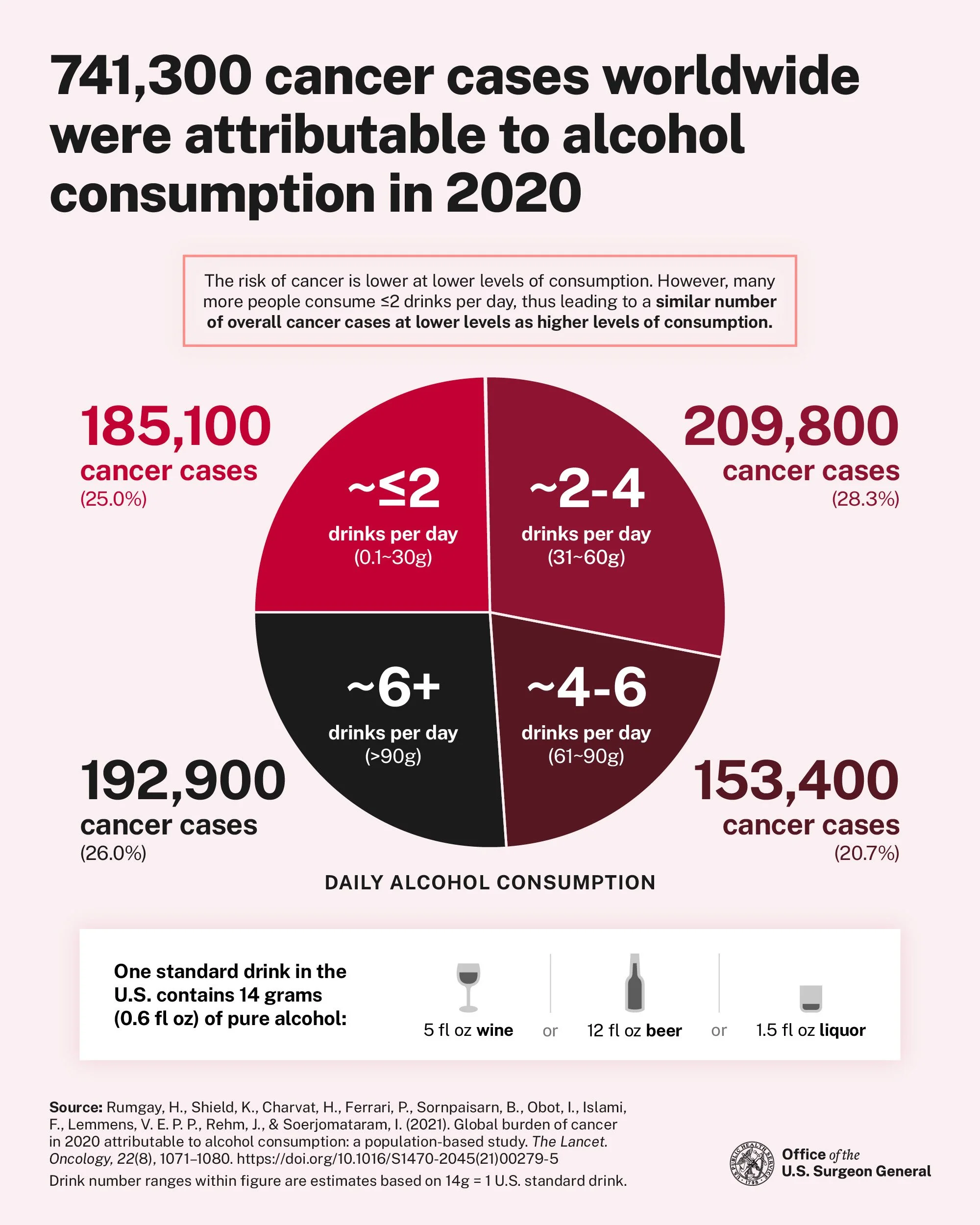

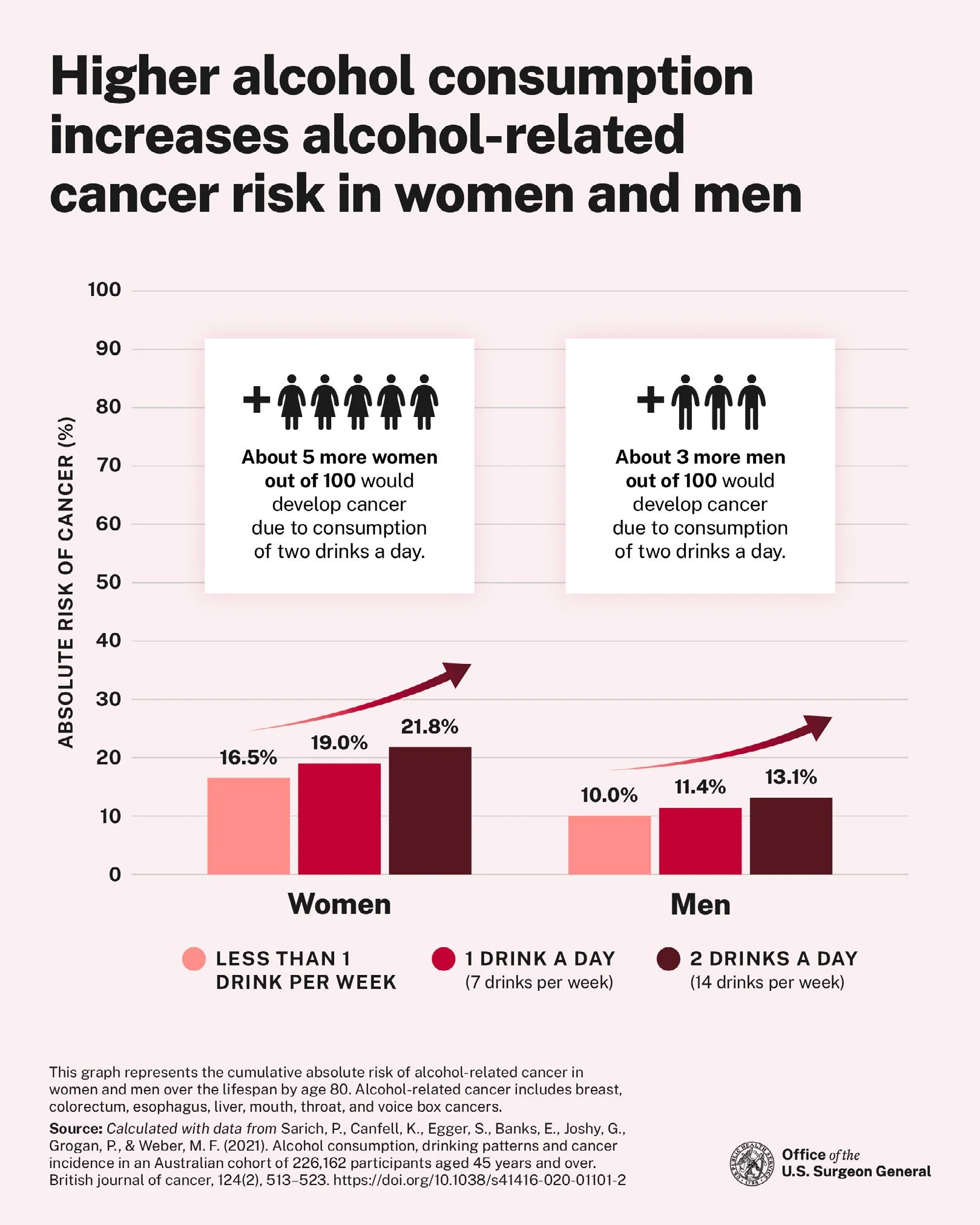

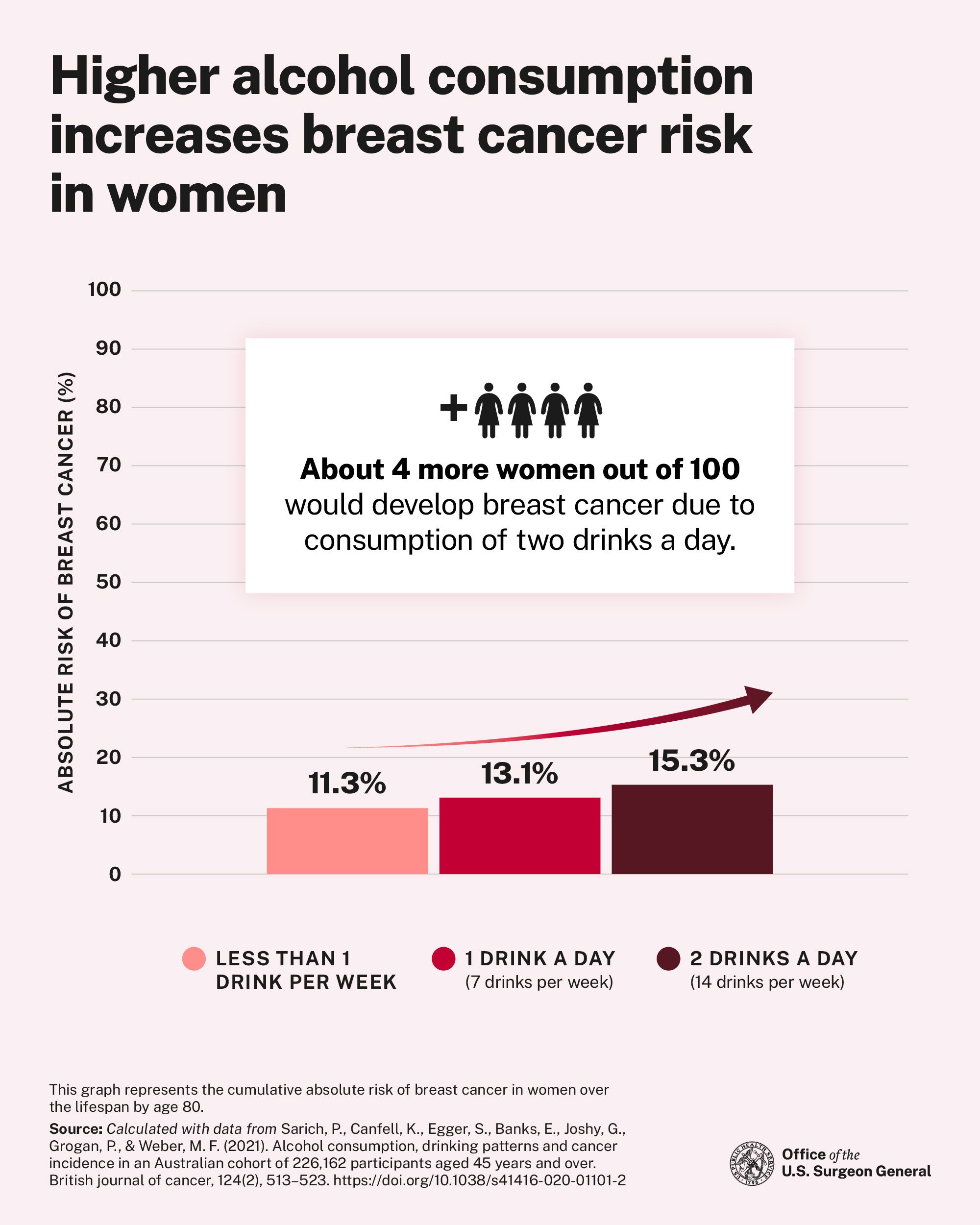
In the United States alone, alcohol contributes to nearly 100,000 cancer cases and about 20,000 cancer deaths every year.
Even small amounts of alcohol may increase risk. Studies show the risk for certain cancers begins to rise with as little as one drink per day.
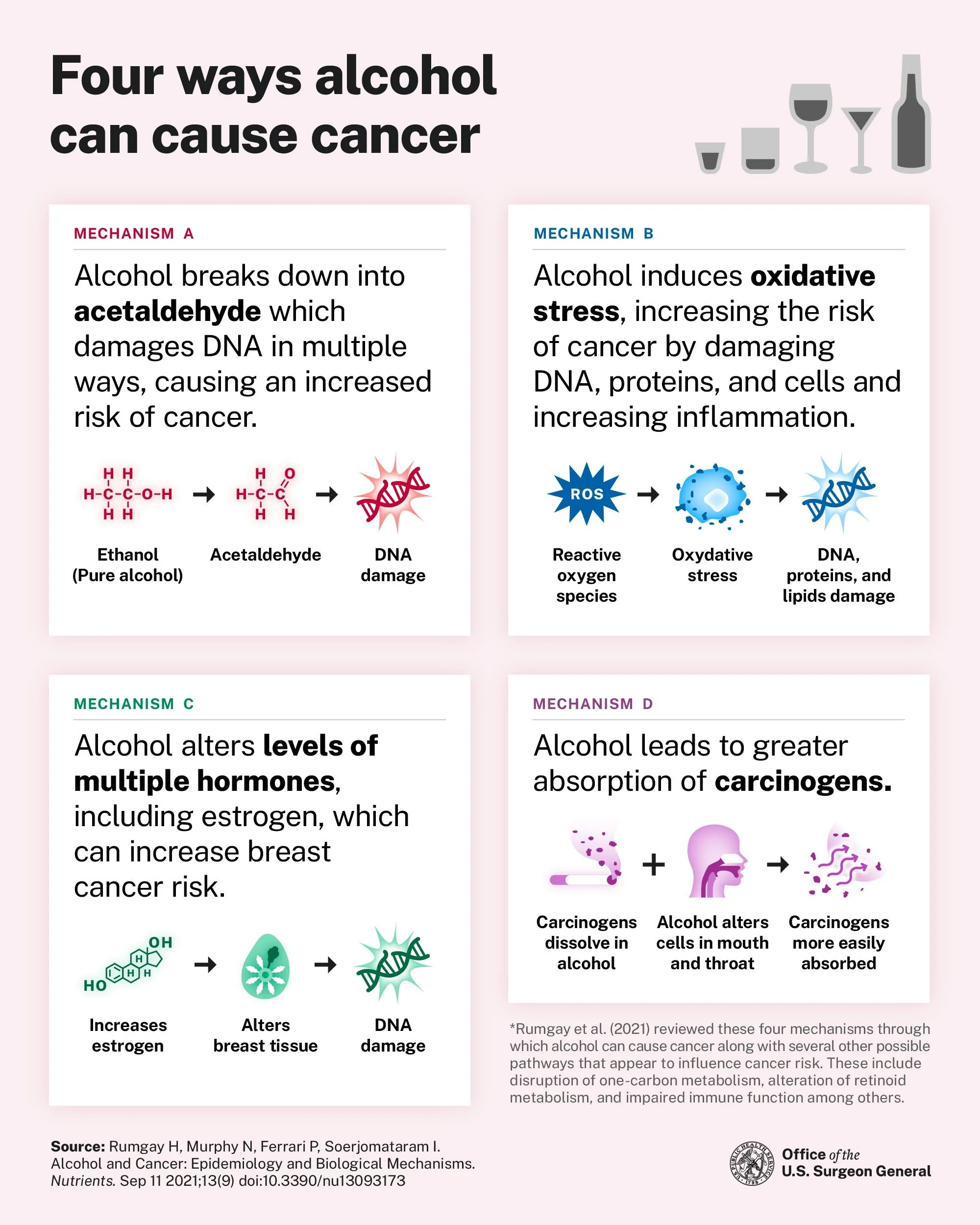
Alcohol contributes to cancer through several biological mechanisms:
• It breaks down into acetaldehyde, a toxic compound that damages DNA
• It increases oxidative stress and inflammation
• It alters hormone levels such as estrogen
• It increases absorption of other carcinogens in the body
These effects accumulate over time, which is why long-term drinking patterns matter.
Great YouTube Video on Alcohol with Andrew Huberman - see below.
Alcohol Disrupts Sleep — Even If It Helps You Fall Asleep
Many people believe alcohol helps them sleep better because it can create a sedative effect.
However, alcohol actually disrupts the most restorative phases of sleep, particularly REM sleep.
When alcohol is metabolized during the night it causes:
Fragmented sleep
Increased awakenings
Reduced REM sleep
Poorer sleep quality overall
Sleep researchers have shown that even moderate alcohol consumption can reduce sleep efficiency and increase nighttime wakefulness.
This is one reason people often wake up feeling tired after drinking — even if they slept for several hours.
Chronic disruption of sleep also contributes to:
metabolic dysfunction
hormonal imbalance
increased appetite
reduced recovery
impaired cognitive performance
In other words, alcohol may help you fall asleep, but it reduces the quality of sleep your body needs to repair and restore itself.
Alcohol Is Essentially Liquid Sugar
From a metabolic perspective, alcohol behaves similarly to a concentrated sugar source.
Alcohol contains 7 calories per gram, nearly as energy dense as fat.
But unlike nutrients that the body can use constructively, alcohol is treated as a toxin that the liver must process immediately.
When alcohol enters the bloodstream:
The liver prioritizes metabolizing alcohol over other nutrients.
Fat metabolism slows.
Blood sugar regulation becomes unstable.
This contributes to:
increased fat storage
blood sugar fluctuations
cravings and overeating
stalled weight loss
Alcohol also tends to derail nutrition choices. When people drink, they are more likely to consume high-calorie foods and less likely to make nutrient-dense choices.
This combination can make body composition goals much harder to achieve.
Alcohol Impacts the Brain and Cognitive Performance
Alcohol is a central nervous system depressant that affects neurotransmitters, cognitive function, and brain signaling.
Short-term effects include:
• reduced reaction time
• impaired judgment
• decreased focus and productivity
• reduced coordination
Over time, regular alcohol consumption may also contribute to:
• brain fog
• decreased memory formation
• reduced executive function
• mood instability
Neuroscience research has shown that alcohol can interfere with dopamine signaling, which affects motivation, reward pathways, and decision making.
Many people notice that after drinking regularly they experience:
• reduced morning motivation
• decreased productivity
• lower mental clarity
These effects can accumulate gradually and may not be immediately obvious.
Alcohol Damages Gut Health
One of the most overlooked effects of alcohol is its impact on the gut.
Alcohol can damage the intestinal lining and alter the gut microbiome, contributing to what is often called “leaky gut.”
Research shows alcohol may:
• disrupt beneficial gut bacteria
• increase intestinal permeability
• trigger immune activation
• increase systemic inflammation
According to research discussed by MindBodyGreen, alcohol can negatively affect the microbiome and impair gut barrier function, which can lead to digestive issues and inflammatory responses in the body.
A compromised gut barrier allows inflammatory molecules to enter the bloodstream, contributing to whole-body inflammation.
This inflammation may show up as:
• joint pain
• fatigue
• brain fog
• skin issues
• metabolic dysfunction
For individuals already dealing with digestive issues, autoimmune conditions, or inflammation, alcohol can make symptoms significantly worse.
Alcohol Increases Systemic Inflammation
Chronic alcohol intake increases inflammatory markers throughout the body.
Inflammation plays a role in many chronic conditions, including:
• cardiovascular disease
• metabolic syndrome
• autoimmune disorders
• joint pain and arthritis
• neurodegenerative diseases
Alcohol contributes to inflammation through:
• oxidative stress
• liver burden
• gut barrier disruption
• immune system activation
Inflammation is one of the major drivers of many symptoms people struggle with as they age — including fatigue, stiffness, and slower recovery.
Reducing alcohol consumption is one of the simplest ways to lower inflammatory burden.
Alcohol and Long-Term Health Outcomes
Recent research has increasingly challenged the idea that moderate alcohol consumption is beneficial for health.
Large population studies now suggest that any potential cardiovascular benefit from alcohol is likely outweighed by other risks, particularly cancer and metabolic disease.
In fact, global health studies have concluded that no level of alcohol consumption can be considered completely risk-free.
Source:
https://www.thelancet.com/article/S0140-6736(18)31310-2/fulltext
What Happens When People Reduce or Stop Drinking
Many people notice measurable improvements in their health within weeks of reducing alcohol intake.
Common improvements include:
• better sleep
• improved mental clarity
• reduced inflammation
• improved digestion
• easier weight management
• increased productivity and focus
Over time, reduced alcohol intake also lowers risk for several alcohol-related cancers and other chronic diseases.
Research shows that reducing or eliminating alcohol consumption can decrease risk for cancers such as mouth and esophageal cancers over time.
A Balanced Perspective
Alcohol does not have to be approached with fear or shame. However, understanding its biological effects helps people make more informed decisions.
Even small amounts of alcohol can disrupt sleep, damage your gut, lower testosterone, and increase cancer risk. In this video, Dr. Paul Saladino breaks down why even one drink isn’t as harmless as you think, and what it’s really doing inside your body. If you care about metabolic health, hormones, longevity, and living an animal-based lifestyle, this is a must-watch. Learn the science behind alcohol’s impact and how to make smarter decisions for long-term health.
Many individuals choose to reduce alcohol because they want:
• better sleep
• better metabolic health
• clearer thinking
• improved athletic recovery
• reduced inflammation
For others, occasional drinking may still fit into their lifestyle.
The key is understanding the trade-offs and recognizing how alcohol affects your body. An interesting book to consider reading is this one by Brooke Scheller, How to Eat to Change How You Drink: Heal Your Gut, Mend Your Mind, and Improve Nutrition to Change Your Relationship with Alcohol.
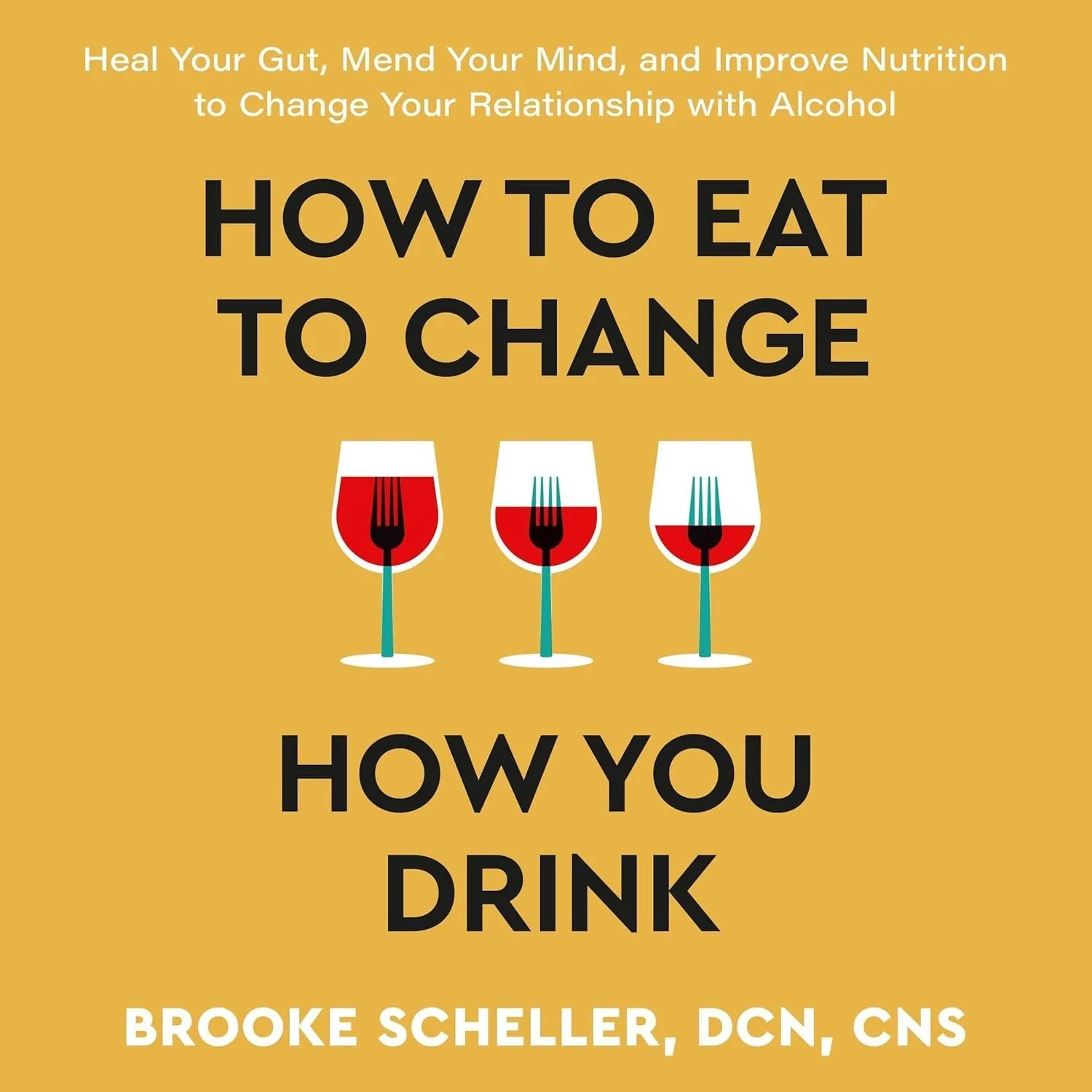
How To Eat To Change How You Drink - by Brooke Scheller
Final Thoughts
Alcohol has long been normalized in society, but modern research continues to reveal how profoundly it impacts our health.
It affects:
• sleep quality
• brain function
• gut health
• metabolic health
• inflammation levels
• cancer risk
Becoming aware of these effects allows people to make intentional choices about their health and long-term wellbeing.
Sometimes small shifts — like reducing alcohol or reserving it for occasional events — can have meaningful impacts on energy, clarity, and longevity.
References
U.S. Surgeon General. Alcohol and Cancer Risk Advisory.
https://www.hhs.gov/surgeongeneral/priorities/alcohol-cancer/index.html
MindBodyGreen – Alcohol and Gut Health
https://www.mindbodygreen.com/articles/is-alcohol-standing-between-you-and-healthy-gut-initial-hangover-may-subside
Huberman Lab – Alcohol Effects on Health
https://www.youtube.com/watch?v=DkS1pkKpILY
National Cancer Institute – Alcohol and Cancer Risk
https://www.cancer.gov/about-cancer/causes-prevention/risk/alcohol/alcohol-fact-sheet
The Lancet Global Burden of Disease Study – Alcohol Use and Health
https://www.thelancet.com/article/S0140-6736(18)31310-2/fulltext
